For engineers, sourcing teams, and OEM buyers, burr control in silicon steel laminations is more than a small manufacturing detail. Burr height, edge cleanliness, stamping accuracy, and stacking quality can directly affect transformer core loss, motor core assembly, noise, insulation reliability, and long-term electrical performance.
When buyers compare silicon steel lamination suppliers, price and lead time are important, but they are not enough. A low-cost lamination with poor burr control may create hidden problems during assembly, testing, and mass production. For transformer cores, reactors, inductors, and motor cores, consistent edge quality helps improve stacking alignment, reduce magnetic loss, and support stable batch-to-batch performance.
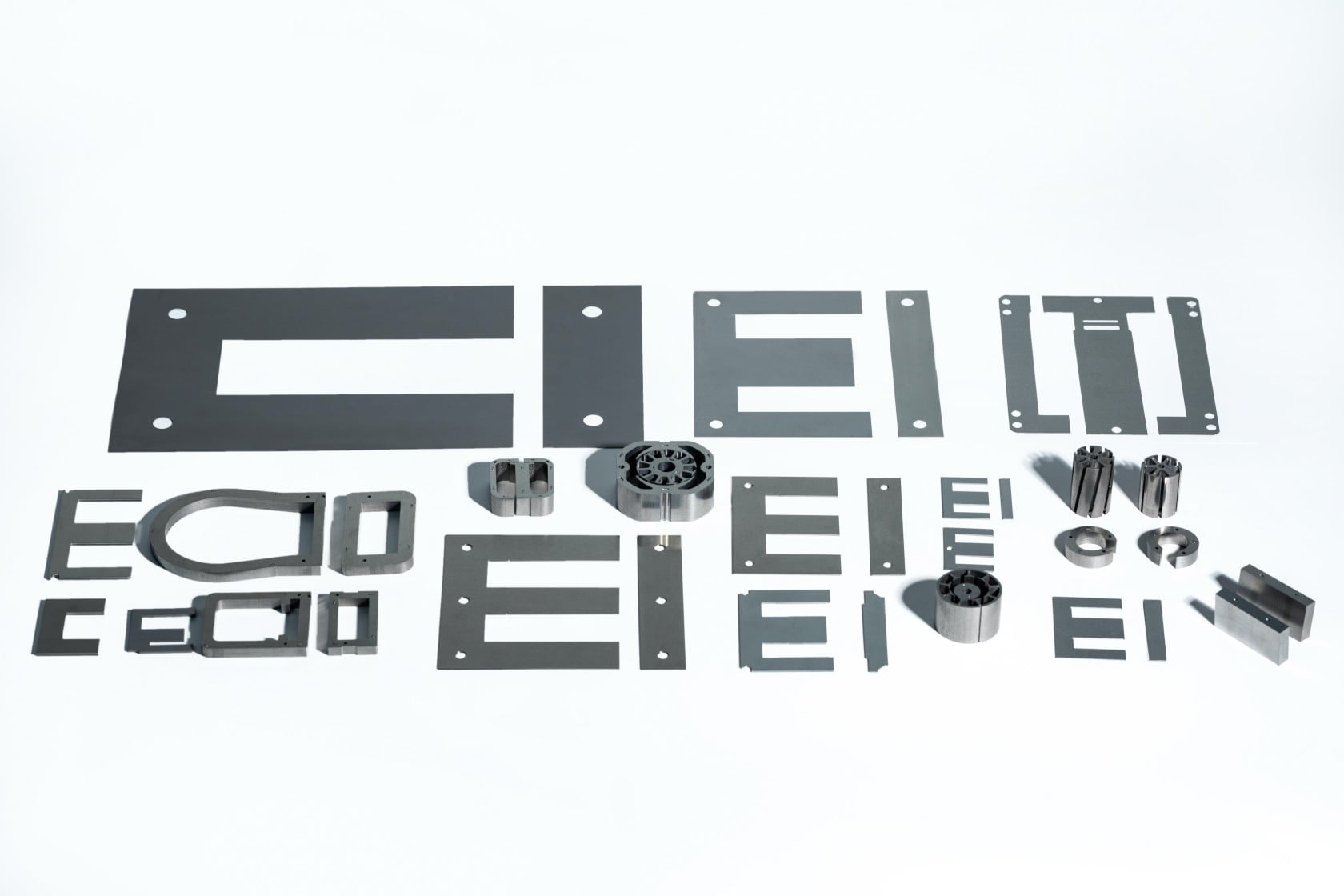
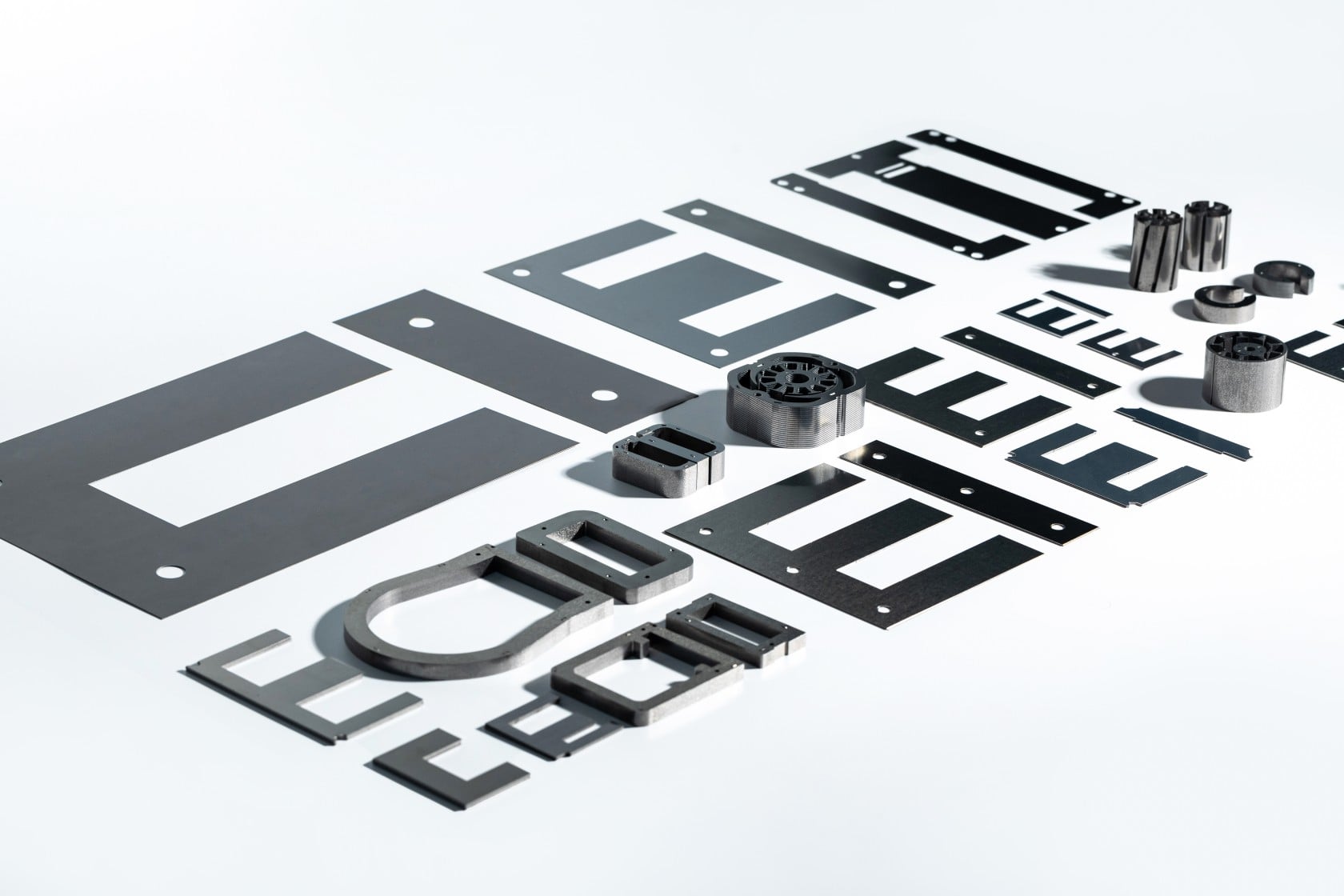
Tianxiang manufactures custom silicon steel laminations and cores for transformer, motor, reactor, inductor, and industrial electrical applications, including EI Lamination, UI Lamination, Motor Core, Annealing Lamination, and Custom Made Silicon Steel Laminations.
What Is Burr in Silicon Steel Lamination?
A burr is a small raised edge or sharp deformation that forms during stamping, punching, cutting, or shearing. In silicon steel lamination manufacturing, burrs usually appear along the edges of the punched profile, slots, holes, or cut lines.
In many cases, burrs are very small and difficult to notice without inspection. However, even small burrs can affect the final performance of a laminated core if they are not properly controlled.
For products such as transformer laminations, stator cores, rotor cores, gapped cores, and reactor cores, burr control is especially important because laminations are stacked together. If each sheet has poor edge quality, the problem can become more serious after stacking.
Common burr-related issues include:
- Poor stacking alignment
- Increased core loss
- Short circuit risk between laminations
- Higher transformer noise
- Assembly difficulty
- Reduced insulation reliability
- Unstable batch performance
- Increased rework during production
For OEM buyers, burr control should be included in the quality discussion before placing an order, especially for custom lamination projects based on drawings.
Why Burr Control Matters for Transformer Cores
Transformer cores rely on stacked silicon steel laminations to guide magnetic flux efficiently. The purpose of using thin laminations is to reduce eddy current loss and improve magnetic performance. If burrs are not controlled, they may create contact points between laminations and reduce the effectiveness of lamination insulation.
In transformer applications, excessive burr height may lead to:
| Problem | Possible Impact |
|---|---|
| Poor lamination stacking | Uneven core assembly |
| Lamination shorting | Higher eddy current loss |
| Rough edges | Increased assembly difficulty |
| Inconsistent core dimensions | Poor fit during final assembly |
| Magnetic instability | Higher core loss and noise |
| Insulation damage | Reduced reliability |
For buyers sourcing EI Lamination or Three-Phase EI Lamination, burr height should be reviewed together with material grade, thickness, stacking height, annealing requirement, and electromagnetic performance targets.
Why Burr Control Matters for Motor Cores
In motor core manufacturing, burr control is also critical. Stator and rotor laminations often include slots, holes, and detailed geometries. If burrs are excessive, they may affect assembly accuracy, winding space, insulation quality, and motor performance.
For motor applications, poor burr control may cause:
- Slot edge damage
- Poor stator or rotor stacking
- Increased iron loss
- Insulation issues
- Noise and vibration
- Lower production efficiency
- Reduced motor reliability
For custom Motor Core projects, buyers should provide detailed drawings and specify tolerance, material, thickness, slot geometry, stacking method, and burr requirements. This helps the supplier review tooling, stamping process, and inspection methods before production.
Key Parameters Buyers Should Check
When sourcing silicon steel laminations, burr height should be reviewed together with other quality parameters. A lamination may look acceptable visually, but still create performance problems if edge quality, dimensional accuracy, or stacking consistency is poor.
| Parameter | What to Check | Why It Matters |
|---|---|---|
| Burr Height | Edge burr after stamping or cutting | Affects stacking, insulation, and core loss |
| Material Thickness | 0.23mm, 0.27mm, 0.30mm, 0.35mm, 0.50mm or custom | Influences stamping quality and magnetic performance |
| Edge Cleanliness | Smooth and consistent edges | Improves assembly and reduces rework |
| Dimensional Tolerance | ID, OD, slot, hole, and profile accuracy | Ensures fit with the final design |
| Tooling Condition | Punch and die wear control | Helps maintain stable burr quality |
| Stacking Method | Loose stacking, riveting, welding, or custom | Affects final core structure |
| Annealing | Required or not required | Helps improve magnetic stability after processing |
| Inspection Method | Visual, dimensional, and performance checks | Confirms batch consistency |
| Packing | Export-ready protection | Prevents deformation during shipping |
For RFQ preparation, buyers should provide drawings, material grade, thickness, required tolerance, quantity, stacking method, and performance expectations. For custom structures, buyers can review Custom Made Silicon Steel Laminations to understand drawing-based production options.
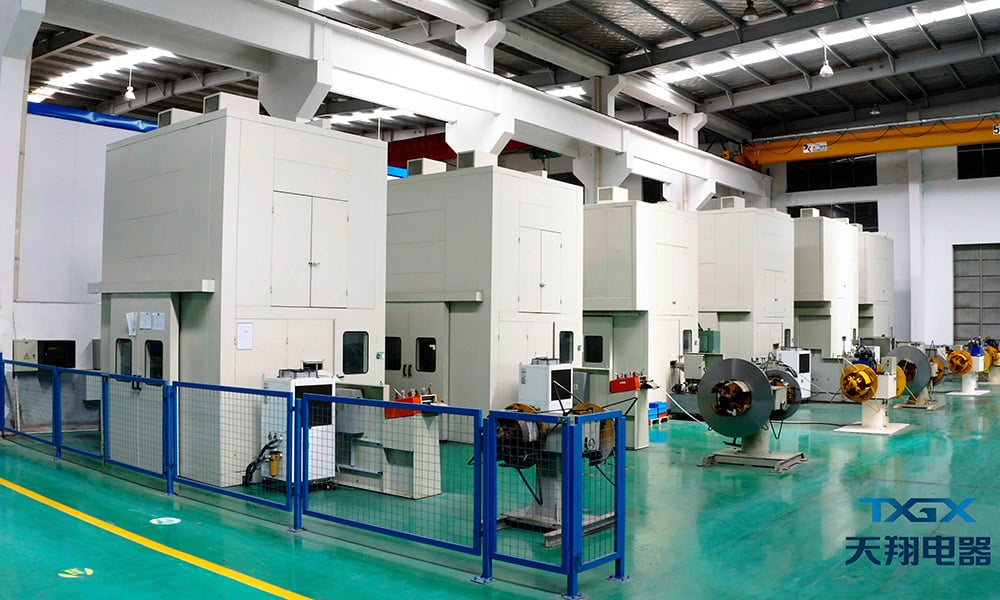
What Causes Burrs During Lamination Manufacturing?
Burrs are a normal result of cutting and stamping metal materials. The goal is not to eliminate every microscopic edge mark, but to control burr height within an acceptable range for the application.
Several factors can affect burr formation:
1. Tooling Wear
Punches and dies wear over time. As tooling clearance increases or cutting edges become dull, burr height may increase. Regular tooling maintenance is important for stable production quality.
2. Material Thickness
Thicker silicon steel sheets may require different tooling settings compared with thinner laminations. The selected thickness should match both the electrical design and manufacturing capability.
3. Material Grade
Different silicon steel grades may behave differently during stamping. Material hardness, coating condition, and grain structure can affect cutting quality.
4. Punching Clearance
The clearance between punch and die has a direct effect on the cut edge. Incorrect clearance may create larger burrs, rough edges, or dimensional instability.
5. Stamping Speed
High-speed stamping improves production efficiency, but it also requires stable tooling, material feeding, and process control. Poor process control can lead to inconsistent burr quality.
6. Part Geometry
Complex slots, narrow bridges, holes, and thin sections are more sensitive to burr issues. This is common in motor stator and rotor laminations.
7. Inspection Frequency
If burr inspection is not performed regularly, tooling wear may not be detected early. This can result in batch quality variation.
For buyers, it is important to choose a supplier that understands how tooling, material, stamping, inspection, and final core performance are connected.
How Burr Height Affects Core Loss
Core loss is one of the most important performance concerns in transformer, motor, reactor, and inductor applications. Silicon steel laminations are used to reduce eddy current loss by separating the core into thin insulated layers.
If burrs create metal-to-metal contact between adjacent laminations, they may reduce the insulation effect between sheets. This can increase eddy current paths and lead to higher loss.
In practical applications, poor burr control may contribute to:
- Higher iron loss
- Higher heat rise
- Lower transformer efficiency
- Lower motor efficiency
- Increased noise
- Reduced performance stability
This is why burr control should not be treated only as a mechanical quality issue. It is also related to magnetic performance.
For applications requiring better magnetic consistency, buyers may also consider Annealing Lamination when stress relief and performance stability are important.
How Burr Control Affects Noise and Vibration
Transformer and motor noise can be affected by multiple factors, including material quality, magnetic flux density, assembly structure, stacking pressure, annealing, and lamination edge condition.
Poor burr control may contribute to noise and vibration because it can affect stacking flatness and core alignment. When laminations do not stack properly, small gaps or uneven contact may appear in the core structure. Under operating conditions, these issues may increase vibration or acoustic noise.
For transformer cores, buyers often care about low noise, especially in power supply, industrial control, appliance, and electrical equipment applications. For motor cores, poor stacking and burr issues may also affect rotor balance, stator assembly, and vibration performance.
A supplier with good burr control can help reduce these risks by maintaining:
- Stable stamping quality
- Smooth lamination edges
- Accurate dimensions
- Consistent stacking alignment
- Proper inspection before shipment
Burr Control and Lamination Insulation
Silicon steel laminations often rely on surface coating or insulation between sheets to reduce eddy current loss. Burrs may damage or bypass this insulation if they create sharp contact points between adjacent layers.
This is especially important in:
- High-efficiency transformer cores
- Low-loss reactor cores
- Precision inductors
- Motor stator and rotor cores
- Power electronics components
- Custom OEM magnetic components
When buyers specify silicon steel laminations, they should consider both material coating and edge quality. A good lamination supplier should understand how the stamping process affects insulation performance and final core behavior.
Manufacturing Process for Low-Burr Silicon Steel Laminations
A reliable manufacturing process helps control burr height and edge quality throughout production. The typical process includes:
- Material inspection
The material grade, thickness, coating, and traceability are checked before production. - Tooling review
Tooling condition is reviewed to ensure stable cutting and stamping quality. - Precision stamping
Laminations are stamped according to customer drawings or standard core dimensions. - Dimensional inspection
Key dimensions such as length, width, hole position, slot shape, ID, OD, and profile accuracy are checked. - Burr inspection
Edge quality and burr height are inspected based on project requirements. - Stacking or assembly preparation
Laminations are prepared for stacking, riveting, welding, or other assembly methods. - Annealing if required
Annealing may be applied to improve magnetic performance and reduce processing stress. - Final inspection and packing
Finished laminations are inspected and packed for export shipment.
Tianxiang supports custom lamination manufacturing for EI Lamination, EI Lamination with Air Gap, UI Lamination, Motor Core, and other silicon steel core products.
How to Specify Burr Requirements in an RFQ
Before requesting a quote, buyers should clearly define the technical requirements. If burr height is important for the application, it should be included in the drawing or RFQ document.
Recommended RFQ information:
| RFQ Item | Example Information |
|---|---|
| Drawing | PDF, DWG, CAD, or sample |
| Product Type | EI lamination, UI lamination, motor core, custom core |
| Material Grade | Silicon steel grade or equivalent |
| Thickness | 0.23mm, 0.27mm, 0.30mm, 0.35mm, 0.50mm or custom |
| Burr Requirement | Maximum burr height if specified |
| Tolerance | Key dimensions and assembly fit |
| Quantity | Sample, trial order, or annual forecast |
| Stacking Method | Loose stacking, riveting, welding, or custom |
| Annealing | Required or not required |
| Performance Target | Core loss, noise, inductance, heat rise |
| Packing | Export carton, pallet, moisture protection |
For custom designs, buyers can send drawings and requirements through Custom Made Silicon Steel Laminations to support engineering review and quotation.
How to Choose a Supplier for Low-Burr Laminations
A reliable supplier should not only produce the required shape, but also control the quality factors that affect final performance. For OEM buyers, especially in transformer, motor, reactor, and inductor industries, supplier selection should include both manufacturing capability and technical communication.
Important supplier capabilities include:
- Experience with silicon steel laminations
- Drawing-based OEM production
- Stable stamping process
- Tooling maintenance control
- Burr height inspection
- Dimensional quality control
- Material traceability
- Annealing capability
- Electromagnetic performance testing
- Export-ready packaging
- Fast engineering response
- Consistent batch production
When evaluating suppliers, buyers should ask how burr height is controlled, how often tooling is inspected, what dimensional inspection methods are used, and whether samples can be provided before mass production.
A strong supplier should be able to support both sample development and repeated batch production with consistent quality.
Related Products
For projects requiring low-burr silicon steel laminations and reliable edge quality, buyers may also review these related products:
- EI Lamination
- EI Lamination with Air Gap
- UI Lamination
- Three-Phase EI Lamination
- Motor Core
- Annealing Lamination
- Custom Made Silicon Steel Laminations
FAQ
1. What is burr in silicon steel lamination?
Burr is a small raised edge or sharp deformation formed during stamping, punching, cutting, or shearing. In silicon steel laminations, burrs usually appear along the outer profile, holes, slots, or cut edges.
2. Why is burr control important for transformer cores?
Burr control is important because excessive burrs can affect stacking quality, lamination insulation, core loss, noise, and assembly reliability. Good edge quality helps improve transformer core consistency and long-term performance.
3. Can burrs increase core loss?
Yes. If burrs create contact between adjacent laminations, they may reduce the insulation effect between sheets and increase eddy current paths. This can lead to higher core loss and heat rise.
4. Why does burr control matter for motor cores?
Motor stator and rotor cores often have complex slots and detailed geometries. Excessive burrs can affect winding space, insulation, stacking, noise, vibration, and final motor performance.
5. How can suppliers control lamination burrs?
Suppliers can control burrs through proper tooling design, tooling maintenance, punching clearance control, material inspection, stable stamping process, and regular burr height inspection.
6. Should burr height be specified in the drawing?
Yes. If burr control is critical to the application, buyers should specify the maximum burr height or quality requirement in the drawing or RFQ document. This helps the supplier review process capability before production.
7. Does annealing remove burrs?
Annealing does not remove burrs. Annealing is used to relieve stress and improve magnetic performance. Burr control must be managed during stamping, cutting, tooling maintenance, and inspection.
8. What information is needed for a low-burr lamination quote?
Buyers should provide the drawing, material grade, thickness, tolerance, burr requirement, quantity, stacking method, annealing requirement, and target performance such as core loss, noise, or heat rise.
Burr control in silicon steel laminations is a key factor for transformer cores, motor cores, reactors, inductors, and custom magnetic components. Good edge quality helps improve stacking alignment, reduce insulation risk, support lower core loss, and improve batch-to-batch consistency.
For OEM buyers, burr control should be discussed early in the sourcing process. By providing drawings, material requirements, tolerance, burr expectations, stacking method, and performance targets, buyers can reduce communication time and improve quotation accuracy.
Tianxiang provides custom silicon steel lamination manufacturing for EI Lamination , Motor Core, Annealing Lamination, and drawing-based Custom Made Silicon Steel Laminations.
Need low-burr silicon steel laminations for your transformer, motor, reactor, or inductor project? Send us your drawing, material grade, thickness, quantity, tolerance, and performance requirements. Our team will review your project and provide a quotation.